
Service Detail

Mold Prevention

Proactive treatment and moisture control to reduce mold risk after leaks, floods, and high-humidity events.

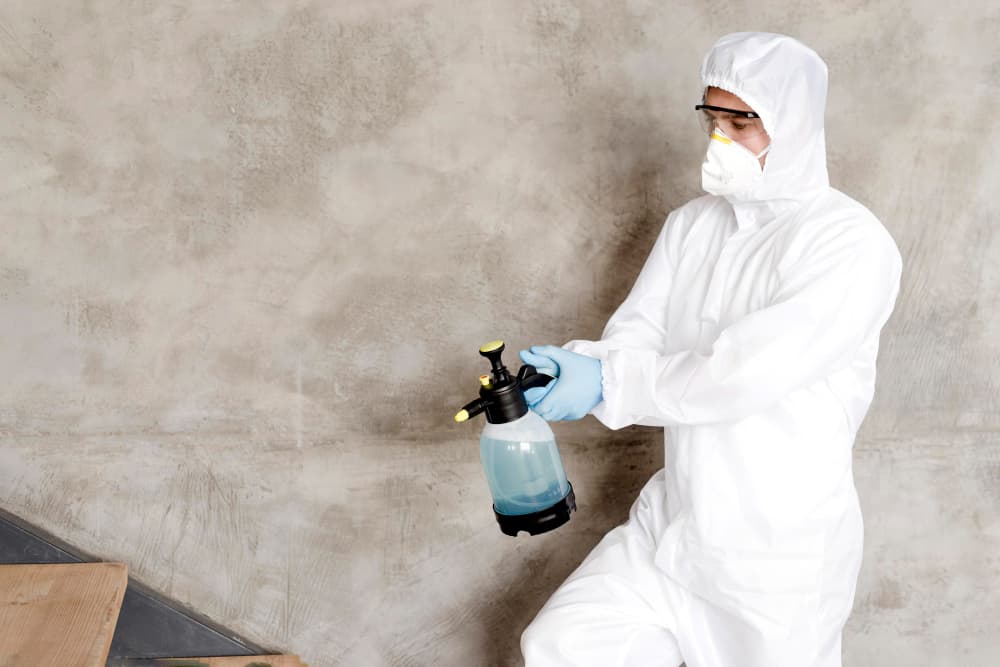
Mold prevention treatment application

How This Service Works

Contractor teams evaluate moisture history, material vulnerability, and contamination exposure to identify areas with elevated mold risk.

Then targeted antimicrobial treatment, containment strategy, and moisture verification are combined before any rebuild begins.

The goal is to stop microbial growth before it becomes a remediation-scale problem.

The protocol emphasizes risk reduction by removing persistent dampness and tightening ventilation and moisture-control recommendations for long-term stability.

  • Risk mapping for hidden and high-humidity zones
  • Targeted treatment and containment where required
  • Verification checks prior to closing assemblies
  • Source-focused recommendations to prevent recurrence
  • Documentation of treated and monitored areas

Typical Cases and Solutions

Case: Musty odor after minor leak cleanup

Visible moisture was removed, but odor indicated hidden dampness.

Solution

Cavity inspection, antimicrobial treatment, and targeted drying correction.

Case: Repeated moisture near bathroom wall

Intermittent humidity and condensation raised mold risk over time.

Solution

Moisture-source control plan plus preventive treatment in critical areas.

Case: Flood event with delayed response

Water remained over 24 hours, increasing potential microbial activity.

Solution

Fast containment, selective demolition, and preventive sanitation protocol.

Detailed Service Scope

Risk Categorization

Contractor teams classify spaces by exposure duration, moisture retention, and airflow limits to prioritize prevention intensity.

Containment Planning

When risk is elevated, containment boundaries are defined to keep impacted air and debris from reaching clean zones.

Treatment Application

Targeted antimicrobial methods are applied to vulnerable surfaces and cavities based on material compatibility.

Post-Treatment Verification

Contractor teams verify moisture and readiness conditions before closure so prevention work remains effective after reconstruction.

FAQ

When does mold risk become urgent after water damage?

Risk increases quickly after 24-48 hours in damp materials and poorly ventilated zones.

Do all wet areas require full mold remediation?

No. Many cases can be controlled early with prevention-focused mitigation and drying verification.

Can prevention be done before reconstruction?

Yes. That is the recommended sequence to avoid sealing moisture into wall or floor systems.

Does prevention fully eliminate future mold risk?

No. Moisture control and source correction can reduce recurrence risk, but future conditions still affect outcomes.

Protect Your Property

Book Mold Prevention Assessment Today

Prevent secondary damage with early moisture and contamination control.