24/7 Request Routing
Find Local Water Damage Contractors Through One Request
Burst pipe, appliance leak, storm flooding, or sewage backup: ClearFlow routes requests to independent local companies based on service type, location, and availability.
- Independent local providers
- 24/7 intake and request routing
- Documentation-focused service categories
First 4 Steps After Water Damage
Recommended First Actions
- Record damage type and affected areas
- Stop the source if safely accessible
- Document standing water and visible material impact
- Submit one request to compare available providers
Emergency Plan
How the Process Typically Moves Step by Step
1. Inspection
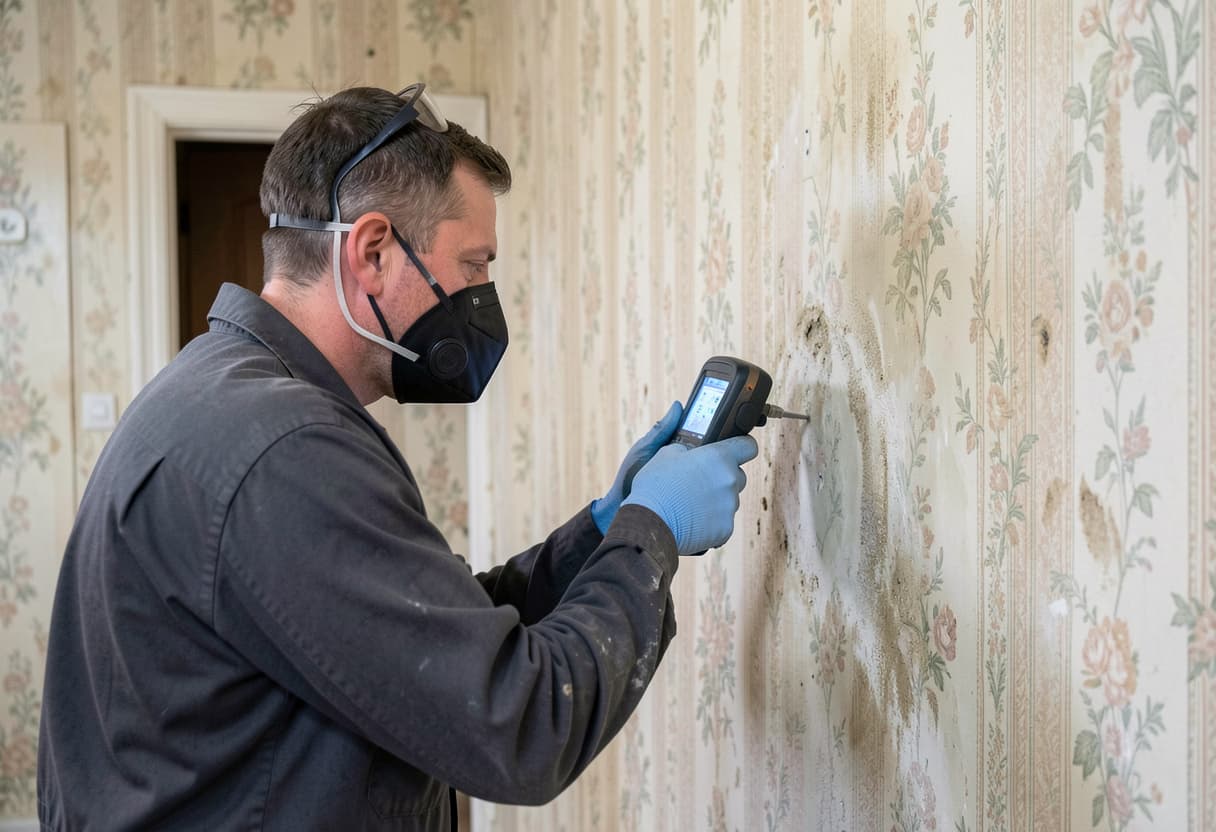
Initial inspection usually identifies visible and hidden wet zones, including walls and subfloor areas.
2. Mitigation
Water removal, contamination control, and safe handling of non-restorable materials.
3. Drying
Controlled air movement and dehumidification with periodic moisture tracking.
4. Rebuild
Repair and reconstruction scope based on contractor assessment and agreed project terms.
Residential and Commercial
Support for Different Property Types
Requests can be routed for single-room leaks, multi-unit flood events, and mixed-use properties across multiple service categories.
Project Results
Real Project Workflow Snapshot
Live Project Snapshot
What This Project Scope Included
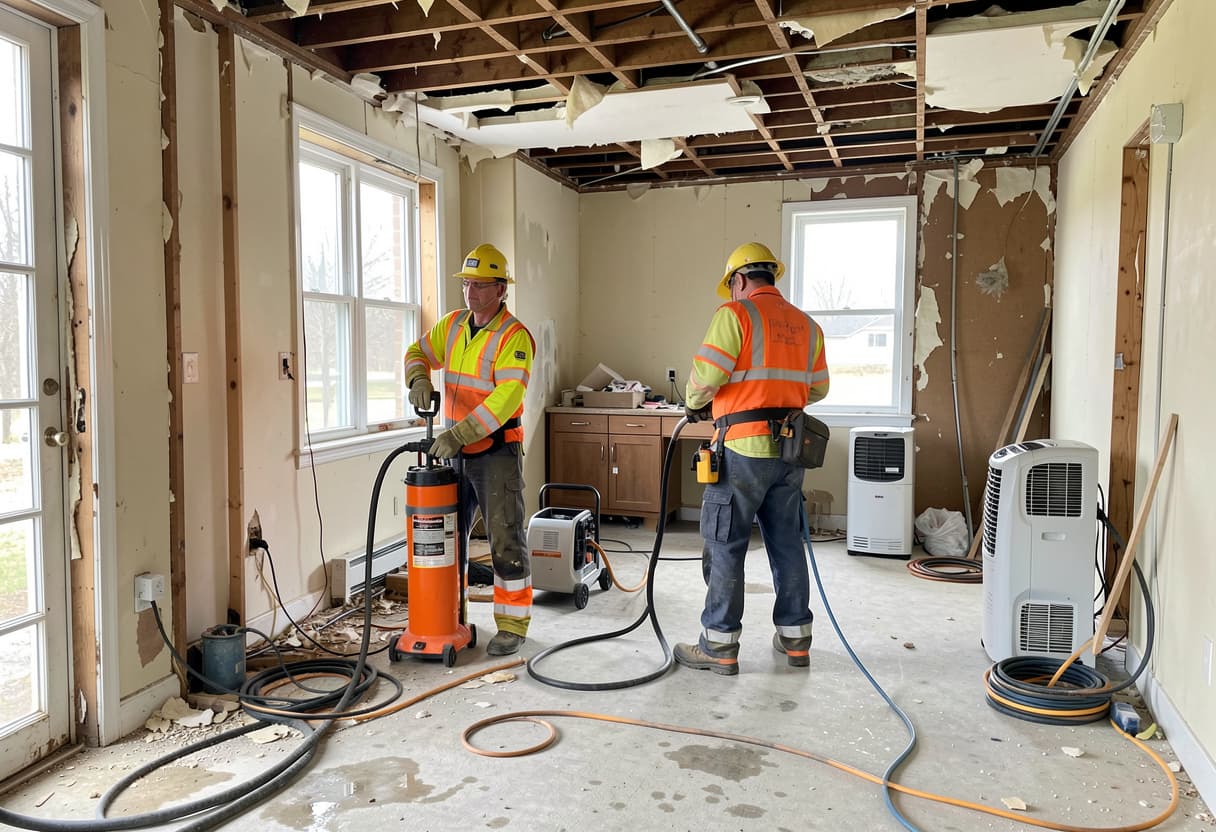
This property had hidden moisture behind drywall and under flooring. The assigned contractor stabilized affected zones and tracked drying progress with documented readings.
- Water extraction and moisture containment workflow
- Dehumidifier and airflow equipment setup by zone
- Documented readings for claim communication